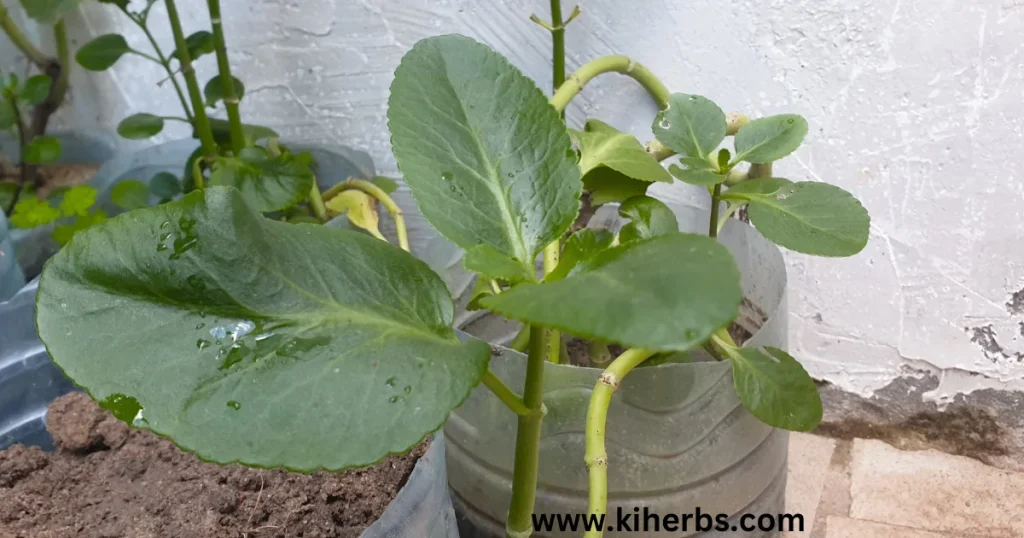
Kalanchoe pinnata, also known by several common names like “miracle leaf,” “cathedral bells,” “air plant,” or “life plant,” is a tropical, succulent plant in the family Crassulaceae. It’s native to Madagascar but is now found in many warm climates around the world, especially in tropical Asia, Africa, and the Americas.
Key Characteristics:
- Leaves: Thick, fleshy, and green with scalloped edges. Notably, it can produce tiny plantlets along the edges of its leaves, which can drop off and grow into new plants—hence names like “mother of thousands.”
- Flowers: Bell-shaped and usually red, pink, or orange, growing in clusters.
- Growth: It can grow up to 1–2 meters tall (3–6 feet) in the right conditions.
Uses:
- Medicinal: Widely used in traditional medicine across cultures for:
- Wound healing
- Anti-inflammatory and antimicrobial properties
- Coughs and colds
- Kidney stones
- Fever and infections
Kalanchoe pinnata, also known by several common names like “miracle leaf,” “cathedral bells,” “air plant,” or “life plant,” is a tropical, succulent plant in the family Crassulaceae. It’s native to Madagascar but is now found in many warm climates around the world, especially in tropical Asia, Africa, and the Americas.
Key Characteristics:
- Leaves: Thick, fleshy, and green with scalloped edges. Notably, it can produce tiny plantlets along the edges of its leaves, which can drop off and grow into new plants—hence names like “mother of thousands.”
- Flowers: Bell-shaped and usually red, pink, or orange, growing in clusters.
- Growth: It can grow up to 1–2 meters tall (3–6 feet) in the right conditions.
Uses:
- Medicinal: Widely used in traditional medicine across cultures for:
- Wound healingAnti-inflammatory and antimicrobial propertiesCoughs and coldsKidney stonesFever and infections
- ⚠️ Despite its traditional uses, scientific evidence is still limited, and it can be toxic in large doses or to pets and livestock.
- Ornamental: Grown as a decorative plant for its unique foliage and flowers.
- Propagation: Very easy to propagate thanks to the plantlets formed on the leaf margins.
🌿 Traditional & Medicinal Uses of Kalanchoe pinnata
- Wound Healing – Speeds up skin regeneration and reduces infection.
- Cough & Asthma Relief – Acts as a natural expectorant and bronchodilator.
- Kidney Stone Management – Diuretic properties help flush the urinary tract.
- Fever Reduction – Used as an antipyretic (fever reducer).
- High Blood Pressure Control – May help lower blood pressure naturally.
- Anti-Inflammatory – Reduces swelling and inflammation in injuries or joints.
- Stomach Ulcers & Heartburn – Soothes and protects the stomach lining.
- Diarrhea & Dysentery Treatment – Helps calm and disinfect the digestive tract.
- Skin Conditions – Treats boils, rashes, burns, ulcers, and insect bites.
- Infection Control – Antibacterial and antifungal for internal and external infections.
- Anti-Cancer (Experimental) – Shows anti-tumor activity in some lab studies.
- Epilepsy & Seizures (Traditional Use) – Used in folk medicine to calm the nervous system.
Certainly! The Kalanchoe pinnata plant has been used in traditional medicine across Asia, Africa, the Caribbean, and South America for centuries. It’s believed to help in treating or managing around a dozen health conditions. Here’s an analysis of 12 diseases or ailments it is traditionally used for, including the possible mechanisms and current scientific backing where available:
🔬 1. Wounds and Cuts
- Use: Crushed leaves applied directly to the wound.
- Effect: Antibacterial, anti-inflammatory, and wound-healing properties.
- Science: Studies have shown accelerated wound healing in animal models. Flavonoids and saponins promote tissue regeneration.
🦠 2. Infections (Bacterial, Fungal)
- Use: Leaf extract or juice applied topically or consumed.
- Effect: Antimicrobial activity against E. coli, Staphylococcus aureus, and Candida species.
- Science: Several studies confirm antimicrobial effects due to tannins, flavonoids, and phenolic compounds.
🤧 3. Coughs, Asthma, and Respiratory Conditions
- Use: Leaf juice taken orally with honey or warm water.
- Effect: Soothes inflamed airways and may act as a bronchodilator.
- Science: Traditional use supported by anti-inflammatory and expectorant properties.
🧹 4. Kidney Stones
- Use: Juice taken orally, sometimes daily over weeks.
- Effect: Diuretic properties help flush out the urinary tract.
- Science: Some animal studies suggest it may help prevent calcium oxalate stone formation.
🌡️ 5. Fever
- Use: Infusion or decoction of leaves.
- Effect: Mild antipyretic (fever-reducing) action.
- Science: May reduce fever due to prostaglandin inhibition from polyphenols.
🩸 6. Hypertension (High Blood Pressure)
- Use: Taken orally as juice or tea.
- Effect: Diuretic and potential vasodilatory effects.
- Science: Preliminary evidence suggests it may aid in lowering blood pressure via potassium and other active compounds.
💥 7. Inflammation and Swelling
- Use: Applied topically or consumed.
- Effect: Reduces inflammation in joints or injuries.
- Science: Anti-inflammatory activity is supported by several phytochemicals, including flavonoids.
🧠 8. Epilepsy and Convulsions (in traditional medicine)
- Use: Juice or decoction.
- Effect: Claimed to calm the nervous system.
- Science: Very limited data; anecdotal evidence only. Needs caution and clinical validation.
👶 9. Skin Rashes, Boils, and Ulcers
- Use: Poultice or crushed leaves on the skin.
- Effect: Promotes healing and reduces infection.
- Science: Antiseptic and anti-inflammatory properties support these uses.
💔 10. Heartburn and Gastric Ulcers
- Use: Juice or dried powder.
- Effect: Soothes the stomach lining.
- Science: Some support from mucilage and antioxidant compounds, though human studies are limited.
💧 11. Diarrhea and Dysentery
- Use: Leaf decoction.
- Effect: Antimicrobial action and astringent properties help reduce intestinal inflammation.
- Science: Supported in part by antimicrobial and antidiarrheal properties in lab studies.
🦠 12. Cancer (Adjunct use, not a cure)
- Use: Traditional systems may use it for tumors or inflammation.
- Effect: Some lab studies show anti-proliferative effects on cancer cell lines.
- Science: Early-stage research only; not a treatment or cure for cancer. Needs much more evidence.
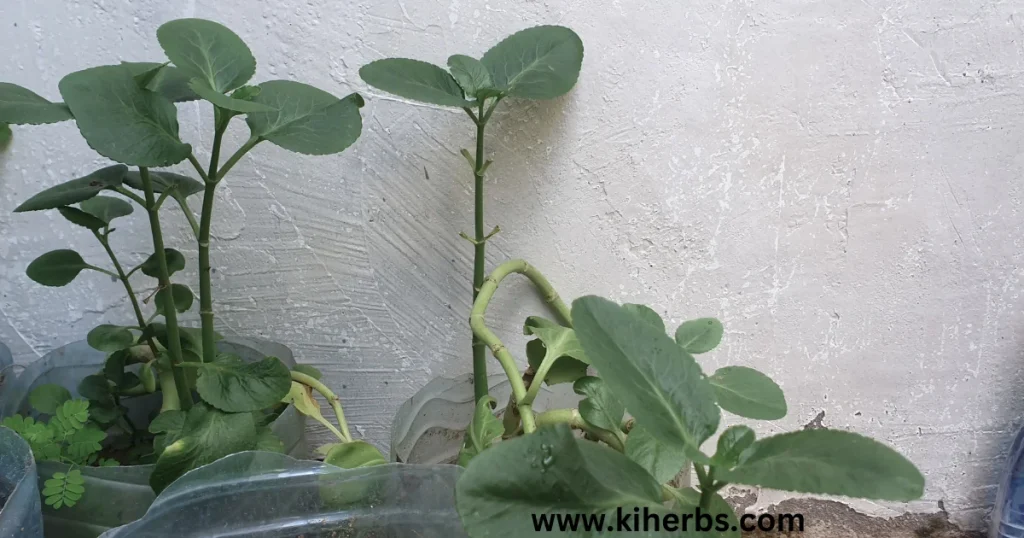
⚠️ Cautions & Warnings
- Toxicity: In large doses, can be toxic—especially to pets (contains bufadienolides, toxic to cats and dogs).
- Pregnancy: Should be avoided due to potential uterine effects.
- Drug Interactions: May interact with diuretics, sedatives, and other medications.
Here are common preparation methods for using Kalanchoe pinnata in traditional remedies. These methods are for general educational purposes—always consult a qualified herbalist or physician before use, especially if pregnant, on medication, or treating serious conditions.
🌿 1. Leaf Juice (for Internal Use)
Used for: Cough, fever, kidney stones, high blood pressure, stomach ulcers, internal infections.
How to prepare:
- Wash 3–5 fresh Kalanchoe leaves thoroughly.
- Crush or blend the leaves with a small amount of clean water.
- Strain the juice through a clean cloth.
- Dosage: Take 1–2 teaspoons once or twice a day for 3–5 days.
- Mix with honey for better taste and added throat relief.
⚠️ Do not exceed 5–7 days of use without supervision.
🌱 2. Poultice (Topical)
Used for: Wounds, boils, ulcers, burns, insect bites, skin rashes.
How to prepare:
- Clean several leaves and crush them into a paste using a mortar and pestle.
- Apply the paste directly to the affected area.
- Cover with clean gauze or a cloth bandage.
- Change 1–2 times daily until healed.
🍵 3. Herbal Tea / Infusion
Used for: Fever, respiratory issues, mild infections, digestive issues.
How to prepare:
- Wash 3–4 leaves and chop them finely.
- Boil 1 cup (250 ml) of water.
- Add the leaves and simmer for 5–10 minutes.
- Strain and cool.
- Dosage: Drink 1/2 to 1 cup once or twice daily.
Optional: Add ginger or honey for taste and added benefits.
💧 4. Steam Inhalation
Used for: Nasal congestion, cough, and asthma.
How to prepare:
- Boil a handful of leaves in a pot of water.
- Remove from heat.
- Cover your head with a towel and inhale the steam for 5–10 minutes.
⚠️ Keep your eyes closed and maintain a safe distance to avoid burns.
💊 5. Dried Leaf Powder (for External or Internal Use)
Used for: Mild digestive issues, skin treatments.
How to prepare:
- Air dry fresh leaves in the shade until crisp.
- Grind into a fine powder.
- Store in an airtight container.
- Use 1/4–1/2 teaspoon in warm water or apply topically with honey or oil.
⚠️ Precautions
- Pregnancy: Avoid internal use without professional advice.
- Toxicity: High doses may be toxic—especially for pets (cats, dogs).
- Allergy: Always patch test when using topically for the first time.
- Interactions: May interfere with sedatives, diuretics, or blood pressure medications.
Kalanchoe pinnata is native to Madagascar, but it is now widely found in tropical and subtropical regions around the world. It thrives in warm, humid climates and is often seen growing wild, in gardens, or even as a houseplant.
🌍 Regions Where Kalanchoe pinnata Is Commonly Found
✅ Africa
- Madagascar (native)
- Nigeria
- Ghana
- Kenya
- Tanzania
- Ethiopia
✅ Asia
- India (especially in Kerala, Tamil Nadu, West Bengal, and Assam)
- Sri Lanka
- Bangladesh
- Philippines
- Thailand
- Indonesia
- Malaysia
- China (southern regions)
✅ The Americas
- Caribbean islands (Jamaica, Trinidad, Haiti, Cuba)
- Brazil
- Mexico
- Central America (Costa Rica, Guatemala)
- Colombia
- Ecuador
- Parts of the southern United States (Florida, Hawaii, Texas)
✅ Oceania
- Fiji
- Papua New Guinea
- Northern Australia (Queensland)
🌱 Where It Grows Best
- Climate: Warm, tropical or subtropical (20–35°C / 68–95°F)
- Soil: Well-draining sandy or loamy soil
- Sunlight: Full sun to partial shade
- Habitat: Roadsides, abandoned lots, gardens, rocky slopes
Growing Kalanchoe pinnata is very easy—even for beginners—because it’s a hardy succulent that propagates quickly. Here’s a complete guide:
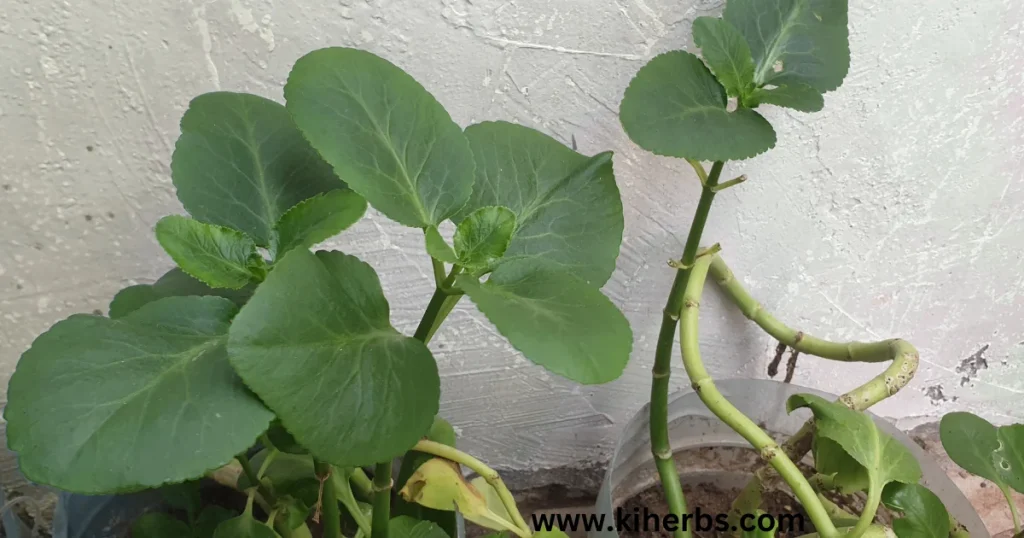
🌿 How to Grow Kalanchoe pinnata
🧱 1. Choose a Growing Method
You can grow it by:
- Leaf cuttings
- Plantlets from leaf edges (natural propagation)
- Stem cuttings
🌱 2. Soil Preparation
- Use well-draining soil (like cactus mix or sandy loam).
- Ideal mix: 1 part garden soil + 1 part sand + 1 part compost.
- Avoid waterlogged soil—it causes root rot.
🌞 3. Light Requirements
- Prefers full sun to partial shade.
- Indoor: Place near a bright window.
- Outdoor: Protect from extreme midday sun if very hot.
💧 4. Watering
- Water moderately—only when the top 1–2 inches of soil is dry.
- In hot climates, water once every 3–4 days.
- In cooler weather, reduce watering to once a week.
- Do not overwater—roots will rot.
🌡️ 5. Temperature & Climate
- Best temperature: 20°C to 35°C (68°F to 95°F).
- Tolerates some drought.
- Not frost-tolerant—bring indoors if temperatures drop below 10°C (50°F).
🧪 6. Fertilizer (Optional)
- Use a balanced organic fertilizer once a month during growing season (spring–summer).
- Succulents don’t need much feeding.
🌿 7. Propagation Tips
From Leaf or Plantlet:
- Pick a healthy leaf or one with plantlets on the edge.
- Place on moist soil (do not bury).
- Mist lightly.
- Roots will form in a few days to a week.
From Stem Cutting:
- Cut a healthy 4–6 inch stem.
- Let the cut end dry for 1–2 days.
- Plant in dry soil.
- Water lightly after a few days.
✂️ 8. Pruning and Care
- Trim overgrown branches to shape the plant.
- Remove dead or dried leaves to prevent pests.
- Repot every 1–2 years if it outgrows the pot.
🐛 9. Pests and Problems
- Common issues: Mealybugs, aphids, root rot (from overwatering).
- Use neem oil or mild insecticidal soap if needed.
📦 Bonus: Indoor Tip
It also grows well in pots or hanging baskets indoors with good airflow and bright indirect light.
In short: Kalanchoe pinnata can help children in traditional medicine by treating common, mild conditions using safe, external or minimal internal doses.
🌿 How Kalanchoe Can Help Children (Traditional Uses)
- Cough & Cold – Leaf juice with honey soothes coughs (small doses: 1–2 drops).
- Fever – Herbal tea from boiled leaves may help reduce fever.
- Skin Wounds & Rashes – Crushed leaf applied as a poultice speeds healing.
- Insect Bites & Boils – Fresh leaf paste reduces itching and swelling.
- Stomach Ache – Mild juice (very diluted) is sometimes used to ease digestion.
⚠️ Important Safety Notes
- Use only in very small doses.
- Prefer external use for children under 5.
- Avoid use in infants or children with allergies.
- Always consult a pediatrician or herbal specialist before internal use.
Here is a balanced and practical advice guide for using and growing Kalanchoe pinnata:
✅ Kalanchoe pinnata – Practical Advice
🌿 1. Use It Responsibly
- Helpful for minor ailments (wounds, coughs, skin problems).
- Safe externally for all ages; internal use should be careful and minimal, especially for children or pregnant women.
- Always consult a doctor or herbalist before using it as a remedy.
💧 2. Don’t Overuse It
- Though called “miracle leaf,” it’s not a cure-all.
- High doses may be toxic, especially for pets and small children.
- Limit internal use to small amounts for short periods (e.g., 3–5 days).
🌱 3. Grow It Easily at Home
- Great for gardens or pots—low-maintenance and fast-growing.
- Use well-draining soil and sunlight.
- Avoid overwatering—this is a succulent.
🐶 4. Keep It Away from Pets
- Leaves contain compounds toxic to cats, dogs, and livestock.
- Fence off or place pots out of reach if you have animals.
🧪 5. Learn Before You Treat
- Learn how to prepare it properly (juice, poultice, tea).
- Start with small, patch-tested doses.
- Avoid mixing with strong medications unless guided by a professional.
📚 Summary
| ✅ Good For | ❌ Use With Caution |
|---|---|
| Wounds & Skin Issues | Internal use in kids or pregnancy |
| Minor Coughs & Fever | Pets or livestock (toxic) |
| Easy Home Growing | Overuse or large doses |
| Traditional Remedies | Serious or chronic illness |
✅ Conclusion on Kalanchoe pinnata:
Kalanchoe pinnata, also known as the miracle leaf, is a powerful and versatile plant used in traditional medicine for treating wounds, coughs, infections, and more. It is easy to grow, especially in warm climates, and requires minimal care.
While it offers genuine health benefits, especially in natural first aid and minor ailments, it should be used with caution—especially internally and in children or pregnant women. Its toxicity to pets also requires attention.
With proper knowledge and responsible use, Kalanchoe pinnata can be a valuable natural remedy and a useful addition to any medicinal garden.
Leave a Reply